This past weekend I had the pleasure to attend the Theorizing the Web 2013 Conference that was held here in New York City at the CUNY Graduate Center. I attended the 2012 conference from a distance last year, and was thrilled to have the opportunity to meet some of the presenters, participants, and organizers in person this time.
The program was filled both with speakers of note and those not yet widely known, and being around such positive energy of people doing, discussing, and debating theory on the phenomenon known as the Web provided for an engaging experience. In fact, I realize that I have not been challenged to follow along with and discuss some of these issues in a very long time, if at all. While I love discussing theory and how it applies to practice, it is not very often that I can spend some time discussing this in such an intensive way. I had a conference high that is still swirling around in my mind, and only wish I had enough time to read all the articles and books that were mentioned and about which I know little.
The main theme for this conference seemed to be surveillance, related to law enforcement / government as well as to corporate interest and influence in what, how, and when I see things online. Closely linked with this is the persistent topic of free speech and what this freedom means in theory as well as in practice online.
All of the presenters, organizers, participants, and hash tag moderators (me!) are on the Participants page. From David Lyon to Alice Marwick to Stéphane Vial to danah boyd and beyond, I have a lot of people’s’ works on my next-to-read list.
The CUNY Graduate Center space was a great conference venue, with powerful and fast wifi throughout. Furthermore, its new JustPublics@365 project has many promising communication initiatives to come! As I work so close to the Grad Center, I am hoping they continue to have events open and welcoming to the public.
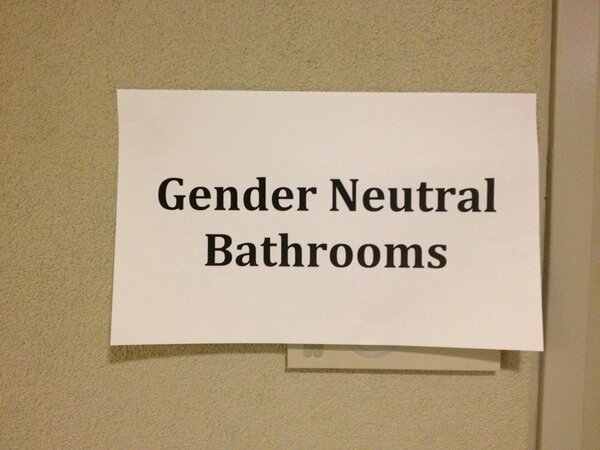 Now, to be fair, I don’t want to make it seem this conference was perfect or the single best thing since pizza and red wine. There are always a few minor wrinkles or distractors (there was not any coffee or food of any sort on Saturday, we had to vacate the building just before its closing at 6:00 on Saturday that resulted in our not having an opportunity to thank the organizers or otherwise establish a sense of closure, there was an issue with the gender neutral bathrooms (that did not have a bath in them, BTW!) and privacy within them, and there was not sufficient time in the presenter sessions to ask and discuss anywhere near as many questions as were conveyed in the room and via the specific Twitter room hash tags). While these various things can be a bit distracting at the time, in the larger scheme of things they are all minor (except the questions and discussions after the speaker presentations!) and are listed here more as a memory of what happens when a few dedicated volunteers put on a free conference; there are bound to be a few minors issues. However, all things being equal, there is really nothing to complain about — kudos to Nathan, PJ, Jessie, and the entire planning committee!
Given all this, what are my own next steps?
- Read. I gathered a number of articles and books that I already ordered and downloaded in the specific areas of surveillance, Twitter (an ongoing area of personal /professional / academic interest), and the notion of our cyborg identity (with a bit more of a journey into actor-network theory).
- Engage. I met a number of really interesting, very smart, and highly creative academics and theorists at this conference, and I have to make a conscious effort to maintain some of those connections (even if that means I need to move past my near-infatuation with Twitter).
- Contribute. What good is all this reading and engaging with others and their ideas if I do not integrate them into my own thinking, perspectives, research, and theorizing. There is no reason why I cannot pursue some of this on my own, especially as I am nearing completion of my PhD studies. Furthermore, I am glad I was able to act in the role of a hashtag moderator, though I think I want to become a little more involved in some way. We’ll see what that may mean (perhaps even based on my 2 previous next steps!); surely in some interesting way!
I look forward to seeing some of the archived sessions once they are online and available, as well as some of the online photos. Until then, onward and upward as we continue to theorize the web and what that means in our lives.